
Having student loan debt while wanting to buy a property may seem like a lot to deal with at first. For many people, those monthly payments are a constant reminder that they might have to wait to buy a house. But the truth is a lot better. Student loans do have an effect on your finances, but they don’t mean you can’t buy a property. The most important thing is to know how those loans fit into the bigger picture. This covers your credit score, income, savings habits, and goals for the future. If you plan ahead and have a clear plan, you can move forward with confidence.
Student debt is a huge component of the financial lives of millions of people who wish to buy a property. As their balances grow and their payments stretch out over years, many buyers are trying to find a balance between paying off their loans and building a future. The good news is that lenders don’t expect you to be perfect. They only want you to be careful with your money and be reliable and consistent. This book talks about how student loans might make it harder to secure a mortgage, how to improve your finances, and how to buy a house in a way that seems less stressful and more sustainable.
Brief Overview
If you have student loan debt and want to buy a property, you need to plan ahead and be realistic about your goals. Your student loans can have a huge effect on your mortgage, especially your credit score and debt-to-income (DTI) ratio, which lenders pay strict attention to. You shouldn’t think that debt disqualifies you; instead, you should know how it is calculated and how you may decrease its consequences. Some people who wish to buy a home pay off their debts rapidly before they qualify for a mortgage. Others are trying to pay off their loans and save enough for a down payment at the same time.
People who have educational loans can also get some types of mortgages. FHA loans, Conventional 97 loans, and VA loans are some of the alternatives that can let you make a smaller down payment or have lower credit restrictions. You can choose the best option for you based on your current financial condition and future aspirations. A financial advisor or loan officer who knows what they’re doing can help you make a strategy that will help you get your mortgage approved and maintain your money in good health for a long time in a lot of situations.
Key Highlights
- If you know how student loans affect your ability to secure a mortgage, you may plan ahead instead of reacting emotionally.
- To get authorized, you need a decent credit score and a low DTI ratio. You may improve both by following excellent habits.
- Your credit will improve over time if you pay your student loans on time.
- Some mortgage programs that could aid persons who are paying down student loans are FHA, Conventional 97, and VA loans.
- It’s usually preferable to save for a down payment and pay off a debt at the same time than to only work on one goal and ignore the other.
Understanding Student Loan Debt and Owning a Home
A lot of college graduates feel like their student loans are a weight that follows them around and makes all of their significant decisions. Owning a home is often the first big step where the weight truly starts to show. The truth is that student loans are only one part of your entire financial picture; they don’t stand alone. Lenders don’t just look at how much you owe; they also look at how you deal with debt.
Your credit score, monthly cash flow, and DTI ratio all change when you take out student loans. These things have a direct impact on how lenders view mortgage applications. If you know how these elements work together, you can get ready ahead of time instead of feeling like you’re being attacked throughout the approval process. When you understand how your student loans affect your capacity to buy a house, the process is considerably easier.
How student loan debt affects buying a home

Student loan debt makes it tougher to buy a house in a variety of ways. First, your credit report will display your debts. If you’ve always paid on time, that will help you. Your payment history is one of the most crucial elements that can hurt your credit score. Lenders think that paying back loans on time shows that you are trustworthy. On the other hand, missing or late payments can lower your score by a lot and make it tougher to secure a mortgage.
The second most essential item is your debt-to-income ratio. Your DTI is the ratio of your gross monthly income to all of your monthly debt obligations, like credit cards, student loans, car loans, and the mortgage you wish to get. If your student loan payments eat up a lot of your income, your DTI rises up. A higher ratio can limit how much you can borrow or modify the interest rate you pay.
Getting a student loan can also make it tougher to save money. If you have to make monthly payments, you have less money left over for other things, which can make it tougher to save for a down payment or closing fees. If you don’t have a lot of money saved up, you might have fewer options in a competitive housing market or have to look into loan schemes that don’t require a lot of money down.
However, none of these factors automatically means you need to walk away from buying a home. Many people who are actively paying off student loans are still able to qualify for a mortgage. Some choose to refinance their loans to reduce their monthly payments, while others focus on boosting their income or paying down additional debts to improve their debt-to-income ratio. The key takeaway is that student loan debt is just one piece of the puzzle when planning your home purchase—and it doesn’t have to stop you, especially if you’re looking to sell your house fast in Garland and make your next move with confidence.
How to Deal with Loan Debt Before Buying a Home
You need to be focused and careful if you want to get a mortgage when you still have college loans. The first step is to be clear. Look at your credit reports and score often. Check for typos, out-of-date information, or inaccurate information that could lower your score for no reason. Making even small changes to reporting can have a large effect.
Next, consider how you’re going to pay off your student loans. The snowball technique is a good way for some people to pay off their debts. It implies paying off smaller bills initially to get things going. Some people utilize the avalanche technique, which puts loans with higher interest rates first to save money in the long run. You can get out of debt faster with any technique, but the most important thing is to stick with one.
Refinancing is another option to consider. If you cut your interest rate, your monthly payments will go down, and your DTI will go up. That said, if you refinance your federal loans, you will forfeit protections like income-driven repayment plans and options for forgiveness. Before you make any changes, think carefully about the trade-offs.
Make a plan for how to save money at the same time. If you can, open a separate account for your down payment and set up automatic payments. Even if it’s just for a short time, cutting back on costs that aren’t necessary will help you accomplish your goal faster. Small modifications that are undertaken with a clear goal in mind pile up quickly.
It can also assist in getting help from a pro. You may pay off your loans and save money for a house at the same time with the help of a credit counselor or financial advisor. Many programs for first-time buyers also provide materials that are only for persons who have student loans.
How Student Loans Affect Your Ability to Get a Mortgage
It helps to know what lenders look at when they look at mortgage applications. When evaluating if someone is qualified, student loans are taken into account, but they are not treated any differently than other types of installment debt. What matters is your general financial security and your history of paying back loans.
Your credit score, DTI ratio, job history, and assets are some of the things that will help you secure a mortgage. Student loans have an effect on two of those: DTI and credit. But if you do well in other areas, having a lot of debt might not be a problem. When you become ready, what appears like a bad thing turns into something you can handle.
Can you receive a loan for a house if you still owe money on your school loans?
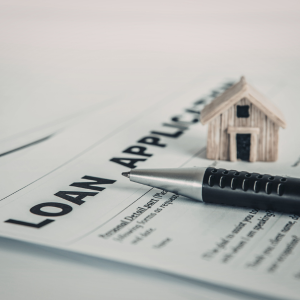
Yes, you can. A lot of people who own homes are able to acquire them while still paying off their student loans. Lenders don’t care whether you have debts; they care about how successfully you pay them off. A solid payment history shows that you are reliable and responsible.
Your credit score is essential. Getting better rates and terms is easier with a higher score. Making even tiny improvements, like paying off credit card debt or resolving faults in your reports, can improve your profile. Your application will also be stronger if you have consistent employment and keep track of your income.
Being able to adjust the down payment is also helpful. People can put down less money with FHA loans and other programs, which helps them attain their financial goals. You may make sure that the terms of your loan fit with your total debt strategy by looking into several types of mortgages, such as fixed-rate, adjustable-rate, or government-backed loans.
You don’t have to be perfect to get student loans; you simply have to be organized. Most lenders are willing to work with you if you can make your payments and your spending patterns are predictable.
How student loans affect your income ratio and being accepted
Lenders look at your DTI ratio as one of the most crucial numbers when choosing whether or not to give you a mortgage. It tells you how much of your paycheck is already going toward paying off debt. Adding student loans to the mix raises the total, which might be a concern if the percentage is too high.
Most lenders want a DTI below 43%, but lower ratios usually mean better terms. You can improve your ratio by lowering your monthly loan payments, improving your income, or both if it is close to the limit. Even paying off a small amount of money each month can make a big difference.
When it comes to figuring out DTI, some mortgage programs, especially those backed by the government, are more flexible. Being honest with your lenders can help you figure out where you are and what improvements could make your application stronger.
How to Get a Lower Mortgage Rate by Raising Your Credit Score
Your credit score has a direct effect on how much interest you pay on your mortgage. Even a little increase can make it more cheaper to borrow money for a long time. If you have student loans, one of the easiest ways to stop worrying about debt is to improve your credit.
Tips for people who want to buy a property in the future on how to handle credit
- Pay your bills on time to start. Every payment you make on time helps you build a positive credit history. When you automate payments, it’s less likely that you’ll be late by accident.
- Don’t use too much credit. If you can spend your credit again, try to use less than 30% of it. Less use shows that management is to blame.
- Don’t close accounts you don’t need to. Having older accounts might help your credit history grow. Being an authorized user on a well-managed account can also help if it makes sense.
- Pay more than the minimum on debts that are revolving whenever you can. This improves your DTI and helps you pay off your debt faster. Checking your credit reports often makes sure they are accurate and protects your progress.
How to Get the Right Mortgage While Paying Off Your Student Loans
Picking the right mortgage could make it a lot easier to pay off both your school loans and your home. Flexible programs usually provide borrowers the space they need.
Searching for mortgage options that are good for those with school loans
FHA loans are popular with first-time buyers since they have less strict credit score requirements and only need a small down payment. You may acquire a traditional 97 loan with as little as 3% down, which is another simple option to secure a loan. VA loans come with a lot of fantastic benefits for veterans who qualify, such as no down payment and low interest rates.
If you think your salary will go up, adjustable-rate mortgages can offer lower initial payments that could help you. It’s crucial to know how long-term rate changes function before you choose this structure.
At the same time, exploring options to refinance your student loans can help lower your monthly payments and improve your DTI. The most effective approach is to plan for other expenses while selecting a mortgage. And if you’re looking to sell quickly, we buy houses in Dallas, making the process even simpler.
Should you pay off your student loans before you buy a home?

There isn’t just one right answer. You might be able to improve your cash flow and lessen your stress by paying off loans with high interest rates. But waiting an unknown amount of time to buy a home may not be the greatest thing for your long-term interests.
If you have solid work and your loans have reasonable interest rates, you might be able to pay them back and save money at the same time. If you buy a home sooner, you can build equity, which can help your finances in general.
Your goals, the state of the market, and how reliable your income is are all significant. A plan that is all-or-nothing doesn’t necessarily work as well as one that is well thought out and balanced.
You need to be patient, have a strategy, and be honest about your money if you want to buy a house while you still have student loans. But it’s not hard at all. You may move forward with confidence if you work on your credit, keep your DTI in check, look into flexible mortgage options, and receive professional advice when you need it. People who owe money can still buy a house if they plan beforehand. If you plan ahead and make sensible choices, you can have a future that includes both responsible loan management and a place to call your own. Looking to sell quickly or simplify the process? Cima Real Estate buys houses for cash. Reach out today!
FAQs:
If you have student loans, can you still acquire a mortgage?
Yes. Even if you have college loans, you can still buy a house. If you have decent credit, a moderate DTI, and pay your bills on time, you can still receive a mortgage.
How can student loans make it harder to secure a mortgage?
Your DTI ratio and credit score will be affected by them. Lenders look at both when selecting who can borrow money and what interest rates to charge.
Should you pay off your student loans before you buy a home?
Not all the time. Paying off high-interest bills will help, but depending on your situation, it might be best to save for a down payment while also paying off your loans.
What types of mortgages may persons who have student loans get?
Veterans who meet the requirements can get FHA loans, Conventional 97 loans, or VA loans.
If you already have education loans, how can you make it easier to secure a mortgage?
Keep up with your payments, pay off other debts, keep your credit utilization low, and think about refinancing if it will make your finances much better.
More Helpful Blogs
- How to Buy a House if Lender Does Not Approve You
- How to Buy a House with Bankruptcy
- How To Buy A House Without Proof Of Income
- Buying A House In Texas Without Bank Financing
- Purchasing A Home In Texas With An ITIN Number
- Buying A Home With A Foreclosure On Your Record
- Buying A Home In Texas With Poor Credit
- Owner Financing For Real Estate
- How to Buy a House Without Tax Returns
- Advantages Of Owner Financing In Real Estate
- Is Owner Financing Legal in Texas
- Owner Financing Laws in Texas
- Buying a House With Student Loan Debt
- Owner Financing Interest Rates Explained